

If you enjoy hiking in the Cederberg, the Northern Cederberg offers improved winter options in terms of weather and temperature.
The higher central Cederberg peaks – such as Sneeuberg (around 2,026 m), Tafelberg (around 1,969 m), and the Wolfberg Arch area – sit significantly higher than the northern peaks around the Klipopmekaar wilderness, including Noordkrans, Pilaarsberg and Cederhoutkop. The altitude difference is roughly 900–1,100 metres.
This means the Northern Cederberg tends to be milder and more comfortable for hiking during the cooler months. Higher peaks can see colder conditions, occasional snow, and more exposure to cold fronts, while the lower northern areas remain more inviting.
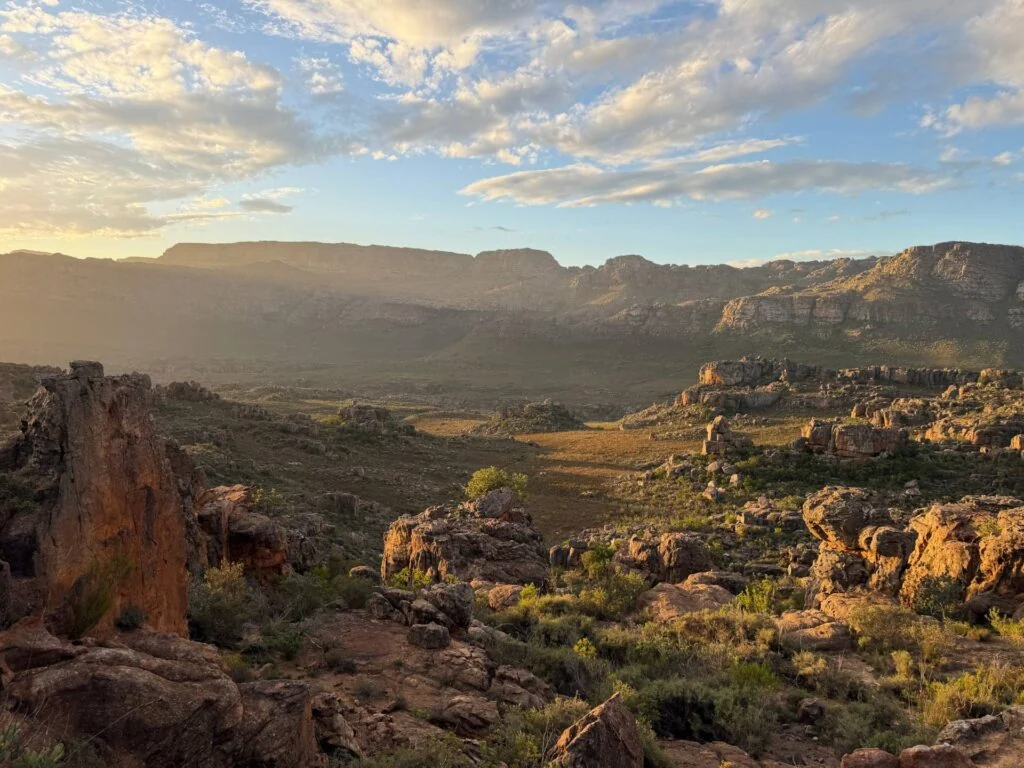
Rocklands and the Northern Cederberg
Rocklands, the world-famous bouldering area, lies in the northern Cederberg near Pakhuis Pass. It shares the same semi-arid character as the Klipopmekaar region — lower elevations, dramatic sandstone formations, and a climate that makes winter and shoulder seasons particularly appealing for outdoor activity.
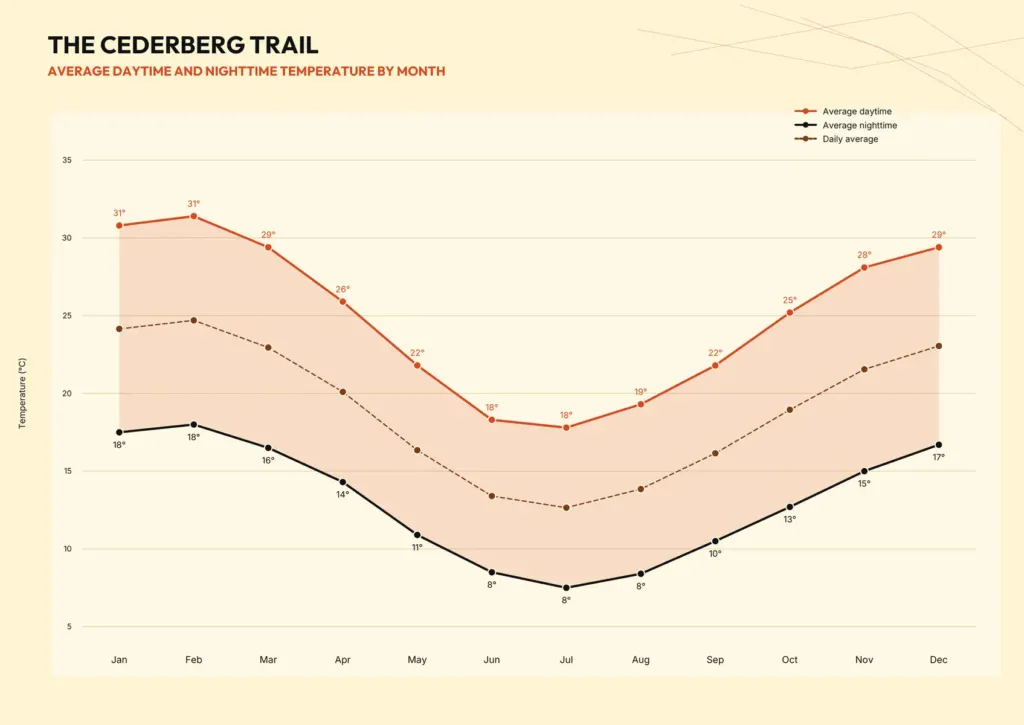
Seasonal climate overview for The Cederberg Trail
The Cederberg Trail runs through the private Klipopmekaar Wilderness in the Northern Cederberg. The area is a hot semi-desert with a winter rainfall climate and an average annual rainfall of about 265 mm. Most of this rain falls between June and August.
Winter rainfall and the rivers (June–August)
Rains typically fall from June to August. This water feeds the Klipopmekaar River and the Waterfalls River. Both of these rivers have their catchment areas entirely within the Klipopmekaar Wilderness, so the water that reaches the trail is clean and local.
Once the winter rains arrive, the rivers usually begin flowing in July. This creates the classic season for swimming in the waterfalls, potholes and rock pools along the trail — most reliably from July through to November.
Winter itself brings cooler nights (often 5–15°C) and crisp, clear days. Daytime temperatures in the northern areas are typically pleasant for hiking — often warmer than Cape Town by several degrees. Rain is possible but usually brief, and the landscape turns green after the winter rains. Higher peaks further south can be considerably colder and occasionally receive snow.
This is an excellent time for hiking in the Northern Cederberg: you can start later in the morning, enjoy full days outdoors, and still have comfortable conditions in the afternoon.
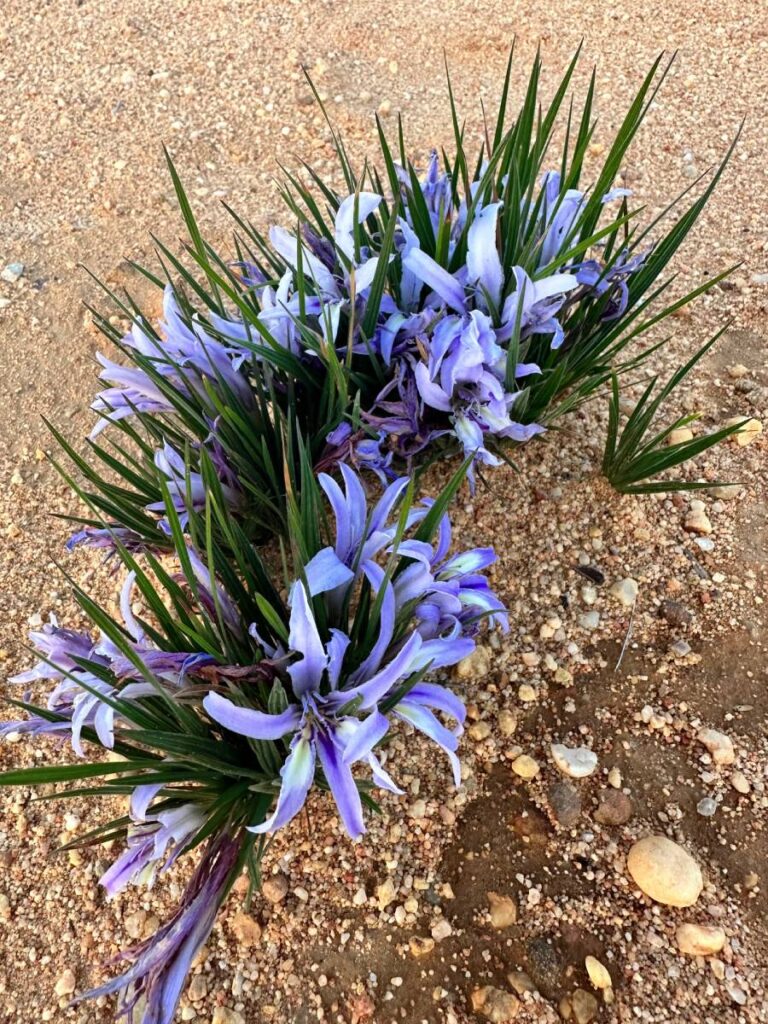
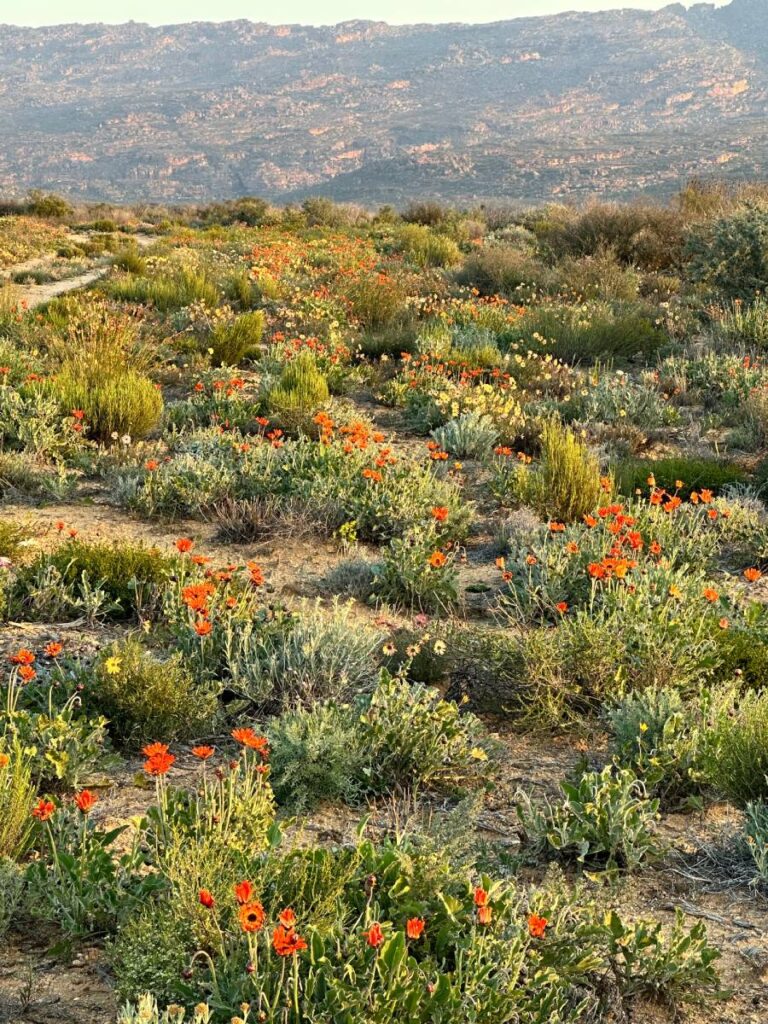
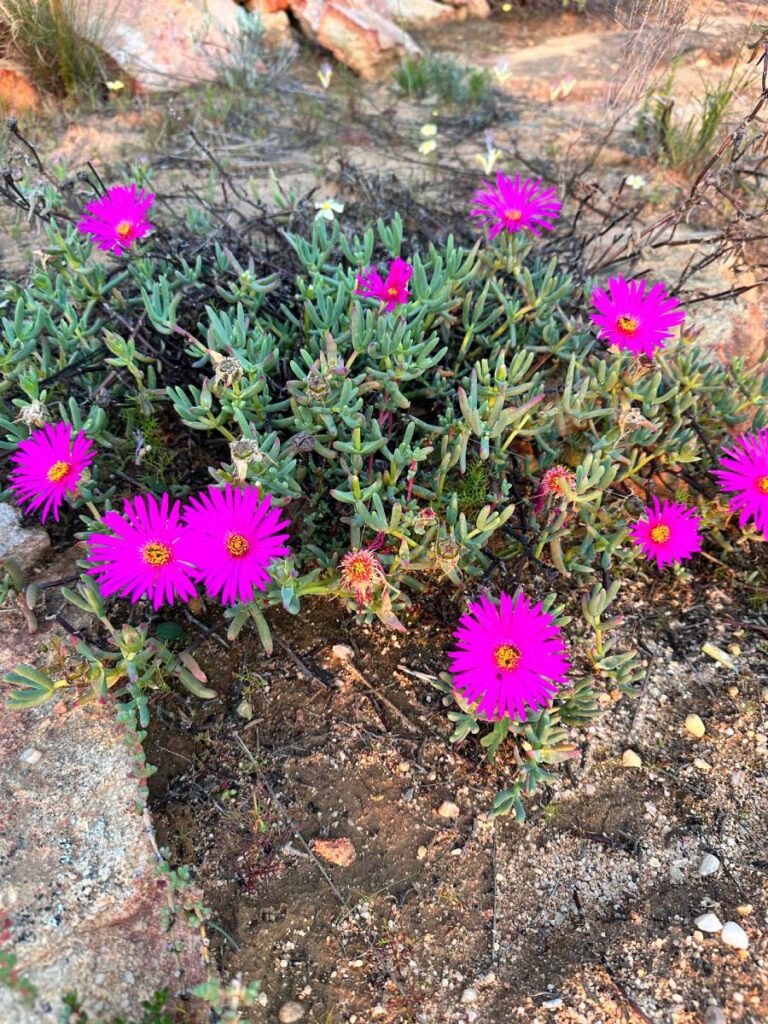
Spring and early summer (August–November)
After the winter rains, wildflowers bloom (peaking in August). Temperatures rise gradually, and this is often considered one of the best periods for hiking across the Cederberg. In the northern areas, conditions remain comfortable for longer into the day.
Swimming remains likely through this period as the rivers continue to flow. Shoulder seasons can also deliver beautiful warm hiking weather, though water becomes less reliable as the season progresses.
Summer (December–March and beyond)
Summer hiking is hot and dry. The core hotter conditions usually run from December to March, when earlier starts are recommended so you can finish the day’s walking before the heat builds and then relax and swim in the freshwater pools at all three of the overnight camps.
It can also get hot in October/November or April/May. The shoulder seasons can deliver beautiful warm hiking weather, but with autumnal water unlikely in April and May.
Even in summer the rivers can occasionally flow again when cut-off lows or thunderstorms move through the area. These events can bring sudden water into the Klipopmekaar and Waterfalls rivers and create temporary swimming opportunities. However, they are irregular and cannot be relied upon when planning a trip.
Even when the seasonal rivers run dry, fresh water swimming pools are available at all three overnight camps, and the sculpted rock architecture of the dry riverbeds remains a striking part of the experience.
Benefits of the hotter, drier summer season:
- Longer daylight hours give you more flexibility with start times and more time to enjoy the trails and camps in the evening.
- Very low chance of rain means more predictable warm and clear weather.
- Clear, open skies offer excellent visibility for the dramatic sandstone landscapes and outstanding stargazing at night.
- The warm, dry conditions make swimming in the camp pools especially refreshing after the day’s walk.
- The dry riverbeds reveal the full beauty of the sculpted rock formations, potholes and water-worn channels that are often partially hidden when the rivers are flowing.
- Beautiful golden light for photography, especially in the early morning and late afternoon.
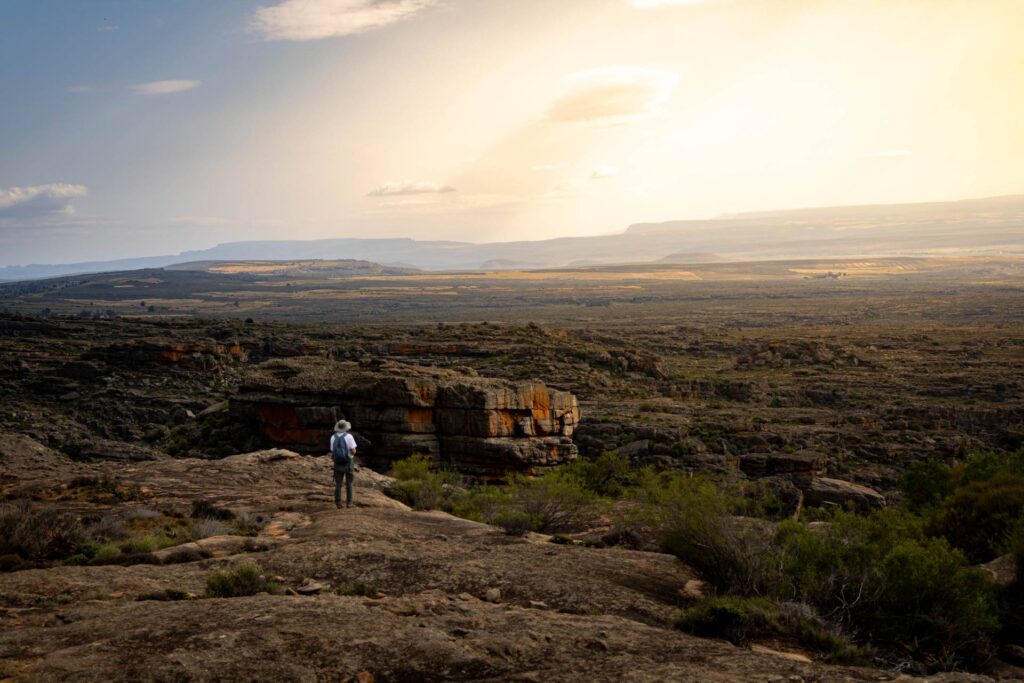
Why the Northern Cederberg works well in winter
- Milder daytime temperatures compared with higher peaks in central and southern Cederberg.
- Less extreme cold and lower chance of snow on the trails.
- Beautiful crisp weather between rain fronts.
In short: if you like hiking in the Cederberg, the Northern Cederberg presents particularly good winter options – milder temperatures, more comfortable hiking conditions, flowing water from July onwards, and a landscape that is both dramatic and more accessible during the cooler months. Summer offers its own rewards for those who prefer heat, long light, dry trails and clear skies.
